

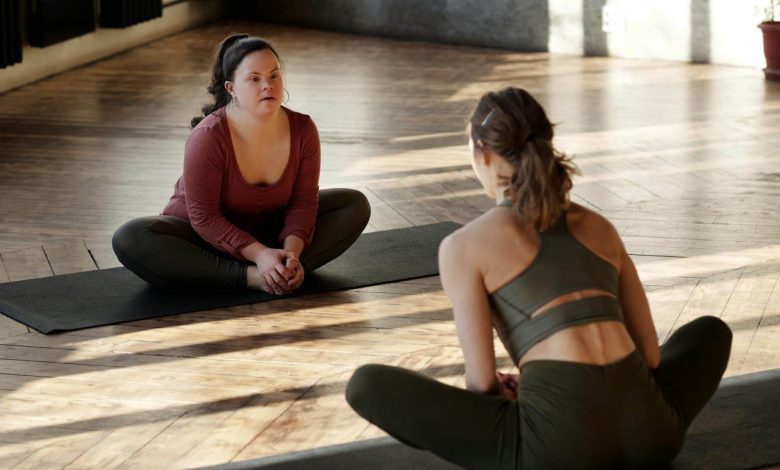
Private instruction is often valued because one teacher can watch one practitioner. Attention alone, however, does not guarantee useful feedback. The instructor must decide what to observe, distinguish meaningful patterns from harmless variation and communicate without overwhelming the student.
Working with a private yoga instructor singapore residents choose should involve observation connected to a clear goal. A teacher assessing balance may watch foot pressure, gaze and recovery, while a mobility goal requires attention to range and control. Quality comes from relevant interpretation, not from correcting every visible difference.
Observation Needs a Defined Purpose
Without a goal, the instructor can notice endless details. The practitioner may receive constant corrections that have little connection to why they booked the session.
A defined outcome helps prioritise attention. The most important observation is the one that changes a useful training decision.
The Final Pose Is Only One Moment
A static shape can look organised even when the entry was rushed or the exit unstable. Transitions often reveal balance, sequencing and fatigue more clearly.
Observation should cover the whole pathway. This allows the instructor to adjust setup or tempo rather than commenting only on the final outline.
Breathing Provides Context
A practitioner may hold the intended position while gripping the jaw or stopping the breath. These signs can indicate excessive effort or uncertainty.
The teacher should not demand one perfect rhythm, but breathing quality helps determine whether the current dose remains manageable.
Weight Distribution Is Easy to Miss
A person may look centred while loading one foot or hand more heavily. Joint angles alone do not show pressure distribution.
The instructor can ask what the practitioner feels and use small shifts or props to clarify contact. Observation becomes stronger when visual information is combined with the student’s report.
Compensation Is Not Automatically Wrong
The body has many ways to complete a movement. A difference from the demonstration may reflect anatomy, experience or a sensible adaptation.
Labelling every variation as compensation can create unnecessary fear. The relevant question is whether the strategy is controlled, comfortable and suited to the goal.
Side-to-Side Differences Need Repetition
One balance attempt provides limited information. Fatigue, order and unfamiliarity may make the second side perform differently.
Repeating a manageable task and alternating the starting side helps reveal persistent patterns. The instructor should avoid assigning permanent labels from one session.
Observation Improves Across Several Sessions
The first lesson may show unfamiliarity as much as movement capacity. Once the practitioner understands the task, the instructor can separate a learning issue from a repeated strategy more clearly.
Longitudinal observation also reveals how sleep, travel and training load affect performance. This context prevents one difficult day from becoming a misleading conclusion.
Fatigue Changes What the Teacher Sees
Alignment and breathing may be reliable early, then change after several holds. This does not necessarily mean the original setup was poor.
Observation across the session shows how capacity changes over time. The appropriate response may be rest or reduced duration rather than another technical cue.
Verbal Cues Should Be Testable
A useful cue gives the practitioner something clear to attempt, such as distributing pressure through the foot or shortening a stance.
The instructor can then observe whether it improves the task. Abstract language that cannot be tested may sound sophisticated without creating usable change.
Too Many Cues Reduce Learning
Correcting the feet, knees, pelvis, ribs, shoulders and gaze at once overloads attention. The practitioner may freeze or forget every instruction.
One or two priorities usually create better learning. Other details can wait until the main strategy becomes familiar.
Observation Should Build Internal Awareness
The teacher sees the outside, while the practitioner experiences pressure, effort and discomfort. Neither perspective is complete alone.
Questions such as “where do you feel the load?” help connect them. Over time, the student should recognise key patterns without needing constant external correction.
Hands-On Feedback Requires Consent
Touch can clarify direction, but it is not necessary for every student or movement. Consent should be requested and alternatives offered.
The practitioner can decline or change their mind at any point. Private settings require the same professional boundaries as group classes.
Camera Footage Adds One Perspective
Video can replay a quick transition and create a record for comparison. Camera angle, clothing and depth limitations still affect interpretation.
The instructor should use footage only for a defined purpose and with consent. Recording should not become automatic simply because the lesson is private.
Digital Angles Can Create False Precision
Pose-estimation applications can calculate estimated joint angles from visible landmarks. They cannot directly observe bones, muscle activity or pain.
A precise number may vary with camera placement. Digital output should support discussion rather than override the instructor’s context or practitioner’s symptoms.
Language Influences Confidence
Repeatedly describing the body as misaligned, broken or weak can create fear. Feedback can remain honest without turning normal variation into pathology.
Specific language is more useful. Saying that a shorter stance may improve control explains the decision without judging the person.
Teachers Must Examine Their Own Expectations
Observation is influenced by training background and preferred style. An instructor may notice differences that conflict with their aesthetic even when the movement is comfortable.
Testing whether a correction improves the task helps reduce this bias. Tradition or personal preference alone should not determine every adjustment.
Progress Needs Comparable Observation
If the instructor changes the task, cue and camera angle each time, comparison becomes difficult. Repeated baseline movements provide clearer information.
Progress may appear as smoother transitions, fewer cues or better recovery rather than a deeper pose. Observation should match the original goal.
The Instructor Should Notice Non-Movement Signals
Facial expression, hesitation, confusion and delayed responses can indicate discomfort or uncertainty. These signals deserve a respectful question rather than an assumption.
The student may simply be concentrating. Observation becomes accurate through communication, not mind-reading.
Health Concerns Must Stay Within Scope
An instructor may notice tremor, dizziness, unusual weakness or pain behaviour. They can stop the exercise and recommend appropriate assessment.
They should not diagnose a condition from movement appearance. Responsible observation includes recognising when interpretation belongs to a healthcare professional.
Session Notes Should Be Relevant and Secure
Brief notes can record goals, variations, response and next steps. Excessive personal detail creates privacy risk without improving instruction.
The practitioner should understand what is recorded and how it is used. Sensitive information should not appear in casual messaging or marketing.
A Good Teacher Also Observes the Programme
If the practitioner repeatedly struggles with the same exercise, the issue may be programme design rather than effort. The variation may be too difficult or poorly connected to the goal.
Observation should lead to changes in teaching, not only corrections directed at the student.
Feedback Quality Matters More Than Quantity
At Yoga Edition, a one-to-one session can provide time for the instructor to watch transitions, ask questions and test adjustments. The student should communicate sensations that cannot be seen.
High-quality observation is selective, contextual and collaborative. It identifies the details that matter for the current goal, checks whether feedback improves the movement and gradually helps the practitioner become a more independent observer of their own practice.
Frequently Asked Questions
Should a private instructor correct every alignment difference?
No. Corrections should relate to the goal, comfort and control. Not every visual difference is meaningful.
Why are transitions important to observe?
They reveal changing balance, leverage and coordination that a final static pose may hide.
Are hands-on adjustments necessary?
No. They require consent, and verbal cues, demonstrations or props may work equally well.
Can video improve observation?
It can replay movement, but camera angle and visibility limit interpretation. Recording also requires clear consent.
How many cues should I receive at once?
Usually one or two priorities are easier to apply. Too many simultaneous corrections can reduce learning.
What makes feedback useful?
Useful feedback is specific, testable, connected to the goal and improves control, understanding or comfort.
