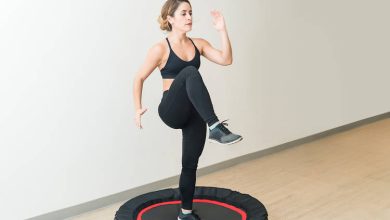
If you want training that feels structured, energising, and easier to stick to than going it alone, group training can be a smart move. The key is choosing the right workout classes for your goals, your schedule, and your recovery capacity, so you get fitter without feeling constantly exhausted. In Singapore, where long workdays, commuting, and humid weather can all affect motivation and performance, picking the right class mix matters even more.
A good class should do more than make you sweat. It should help you build a repeatable routine, improve measurable fitness markers, and support your lifestyle, whether you want fat loss, strength, better posture, or simply to feel less drained during the week. The difference between “random sessions” and real progress is not willpower, it is smart selection, smart pacing, and a plan you can sustain.
Start with the result you want, not the trend
Many people choose classes based on what looks intense or what friends are doing. That can work short term, but results come faster when your class choice matches your goal and your current fitness base.
If your goal is fat loss and stamina
You want classes that raise heart rate, improve conditioning, and keep calorie burn high, but not at the cost of recovery. Look for sessions that include intervals, full-body movements, and work-to-rest structure.
What to prioritise:
-
Interval-based conditioning (short bursts of effort with rests)
-
Full-body sessions that combine upper and lower body
-
A moderate weekly frequency you can repeat, not just one “killer” session
What to avoid at the start:
-
Too many high-intensity days back to back
-
A sudden jump from zero activity into daily hard sessions
If your goal is strength and tone
Strength results come from progressive overload, consistent form, and enough recovery. A great strength class should teach movement patterns properly and give you a way to increase difficulty gradually.
What to prioritise:
-
Squat, hinge, push, pull patterns
-
Controlled tempo, not rushing through reps
-
Clear coaching cues and scaling options
If your goal is stress relief and better movement
You can still train hard later, but first you need a body that moves well. Mobility, functional strength, and controlled conditioning can reduce stiffness from desk work and improve how you feel day to day.
What to prioritise:
-
Mobility or stretching sessions that target hips, thoracic spine, shoulders
-
Lower impact conditioning that keeps you consistent
-
Breathwork and core control elements
Understand class intensity so you do not burn out
A common mistake is assuming that harder always equals better. In reality, progress comes from the right dose. You want enough intensity to stimulate change, and enough recovery to adapt.
A simple intensity guide you can actually use
Instead of guessing, use these real-life markers.
Low to moderate intensity:
-
You can speak in full sentences
-
You finish feeling better than when you started
-
Next-day soreness is mild or manageable
Moderate to high intensity:
-
You can speak in short phrases
-
You feel challenged, but form stays stable
-
You recover within 24 to 48 hours
Very high intensity:
-
Talking is difficult
-
Form may break down if you are not careful
-
Recovery needs are higher, and sleep and nutrition matter more
If every class feels like the “very high” zone, your results may stall because fatigue builds faster than fitness.
Build a weekly class plan that fits Singapore life
A realistic plan is one you can do even during busy periods. Think in terms of consistency, not perfection. Most people do best with a mix of hard and easier days.
A sustainable 4-day class week
This works well for many working adults.
-
Day 1: Strength-focused class
-
Day 2: Conditioning or interval-based class
-
Day 3: Rest or mobility-focused class
-
Day 4: Strength-focused class
-
Optional: One lighter cardio or mobility session on the weekend
This schedule balances stimulus and recovery, so you can push hard when it counts.
A time-crunched 3-day class week
If your calendar is packed, do fewer sessions, but make them count.
-
Day 1: Strength and conditioning hybrid
-
Day 2: Mobility and core control session
-
Day 3: Interval conditioning or full-body strength
The mobility day is not “wasted”. It keeps you moving better, reduces injury risk, and helps you show up stronger for the other sessions.
Use form and scaling as your progress engine
The best classes are the ones you can level up in. Scaling is not a sign of weakness. It is a strategy for getting stronger safely.
Smart scaling examples
If a movement feels unstable or painful, swap it for a safer version that trains the same pattern.
-
Jumping movements: swap for step-based options to reduce impact
-
Heavy overhead work: reduce load and focus on shoulder control
-
Deep squats: adjust range of motion while improving mobility over time
Technique cues that make a big difference
These small points often change performance fast.
-
Brace your core before lifting or pushing
-
Keep ribs stacked over hips when you move
-
Drive through the mid-foot for squats and lunges
-
Control the lowering phase, do not drop into reps
If you chase speed before you own the movement, you risk sore joints and stop-start training.
Recovery is part of training, not an optional add-on
In Singapore’s heat and humidity, recovery can be trickier. Hydration, sleep, and post-class nutrition can make the difference between steady progress and constant fatigue.
Practical recovery habits that work
-
Aim for regular sleep timing, even if total hours vary
-
Hydrate earlier in the day, not only after training
-
Include protein in each main meal to support muscle repair
-
Keep at least one lighter day after an intense class if you are new to structured training
Signs you need to dial it back
-
Your performance drops for more than a week
-
You feel unusually irritable or unmotivated
-
You have persistent soreness that does not improve
-
Your resting heart rate trends higher than usual
More training is not always the answer. Sometimes the answer is one less hard session and one more recovery-focused session.
Fuel your classes without overcomplicating food
You do not need extreme diets to see progress. You need reliable routines.
Simple pre-class options
The goal is energy without stomach discomfort.
If you train within 60 minutes:
-
A banana
-
Toast with a thin spread
-
A small yoghurt
If you train after 90 to 120 minutes:
-
Rice with lean protein
-
Noodles with a lighter topping
-
Oats with fruit and a bit of protein
Post-class recovery that supports results
Within a few hours after class, aim for:
-
Protein to repair muscles
-
Carbs to restore energy
-
Fluids to replace sweat loss
You can keep it local and practical. A balanced meal is more important than fancy supplements.
How to track progress without becoming obsessed
Many people give up because they “cannot see results”, but they are measuring the wrong things. Classes improve far more than weight on a scale.
Better progress markers
-
You recover faster after the same class
-
Your form improves under fatigue
-
You can lift slightly heavier, or complete more controlled reps
-
You feel less stiff at work
-
Your energy stays steadier across the week
If you want to be systematic, track just two things:
-
Weekly attendance consistency
-
One performance measure (like a timed interval, or a strength movement)
Small improvements compound quickly when the routine is steady.
Make classes feel easier to stick to with the right environment
Motivation is unreliable. Systems are reliable. Choose an environment that supports routine, coaching, and variety, so you do not rely on willpower alone. This is where a structured programme and quality coaching can matter, especially when your week gets hectic.
If you are building a consistent schedule and want access to a wide range of sessions, coaching cues, and class formats that suit different goals, you can explore options at True Fitness Singapore and plan your week around what your body needs most, strength, conditioning, mobility, or a blend.
Real-life FAQ
How many classes per week should I do if I want results but I am busy?
For most people, 3 to 4 classes per week is the sweet spot. It is enough to create progress, but not so much that recovery becomes a problem. If you can only do 2, focus on one strength-focused session and one conditioning session, then walk more during the week.
I feel very sore after classes. Should I stop or push through?
Mild soreness is normal, especially if you are new or returning after a break. If soreness reduces after a few weeks, you are adapting. If soreness is sharp, localised in a joint, or worsens each week, scale the movements, reduce intensity, and prioritise mobility work. Pain is not a badge of effort.
What is the best time to do classes in Singapore, morning or evening?
Morning classes can suit people who want consistency before work disruptions happen. Evening classes can work well if you need stress relief after work. Choose the time you can repeat most weeks. Consistency beats the “perfect” timing.
Can I do intense classes if I have knee discomfort?
Often yes, but you need the right modifications. Reduce jumping, shorten range of motion at first, and focus on hip and glute strength. Step-based options and controlled strength work are usually more knee-friendly than high-impact conditioning. If pain persists, get a professional assessment.
Do I need supplements to recover properly from classes?
Not necessarily. Most people do fine with food, hydration, and sleep. If your protein intake is low, adding a simple protein option can help, but it is not mandatory. Focus on consistent meals first.
How do I avoid overeating after a tough class?
Plan a proper meal instead of “snacking until full”. Drink water first, then eat a balanced meal with protein and carbs. Also, check your sleep. Poor sleep increases cravings and makes hunger harder to manage.
Why does my heart rate feel higher on some days for the same class?
Stress, dehydration, poor sleep, caffeine, and heat can all raise heart rate. It does not always mean you are getting less fit. If it happens often, add one lower-intensity day, hydrate earlier, and prioritise sleep consistency.
I travel for work. How do I keep momentum with classes?
Use a minimum routine. Aim for 2 quality sessions a week when travelling, and add walking. Keep intensity moderate if your sleep is disrupted. When you return, do not “make up” missed sessions by doubling up, just return to your normal plan.