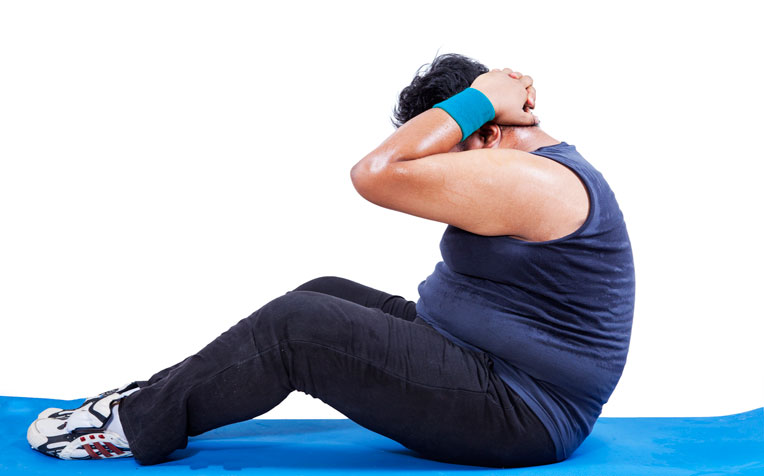
Exercise is one of the most powerful tools available for improving physical health, mental clarity, and long-term quality of life. Regular movement supports nearly every system in the body, from the heart and lungs to the brain and immune system. Whether someone is new to physical activity or returning after a break, building a structured and sustainable routine can transform overall well-being.
This guide explains the importance of exercise, the different types of workouts, how to begin safely, and how to maintain consistency over time.
Why Exercise Is Essential for Overall Health
Regular physical activity improves both short-term wellness and long-term disease prevention. The body is designed to move, and when movement becomes part of daily life, nearly every organ system functions more efficiently.
Consistent exercise helps:
- Strengthen the heart and lungs
- Improve circulation
- Maintain a healthy body weight
- Increase muscle strength
- Support joint mobility
- Improve sleep quality
- Reduce stress levels
- Enhance mood and mental clarity
Physical activity also lowers the risk of chronic conditions such as heart disease, type 2 diabetes, high blood pressure, and osteoporosis.
Types of Exercise Everyone Should Include
A balanced exercise routine includes multiple types of movement. Each type supports different aspects of physical fitness and overall health.
Cardiovascular Exercise
Cardio improves heart and lung function by increasing heart rate and breathing.
Examples include:
- Walking
- Running
- Cycling
- Swimming
- Dancing
- Jump rope
Regular cardio increases endurance and supports weight management.
Strength Training
Strength training builds muscle mass and improves bone density. Strong muscles also support posture and reduce injury risk.
Examples include:
- Bodyweight exercises
- Resistance bands
- Free weights
- Weight machines
Strength training should be performed at least twice per week.
Flexibility Training
Flexibility exercises improve joint range of motion and reduce muscle stiffness.
Examples include:
- Stretching routines
- Yoga
- Mobility exercises
Improved flexibility supports better posture and lowers injury risk.
Balance Exercises
Balance training becomes especially important with age.
Examples include:
- Single-leg stands
- Heel-to-toe walking
- Stability exercises
Better balance reduces fall risk and supports coordination.
Physical Benefits of Regular Exercise
Exercise strengthens nearly every part of the body. Even moderate activity performed consistently can create noticeable improvements.
Key physical benefits include:
Improved cardiovascular health
The heart becomes stronger and pumps blood more efficiently.
Better weight control
Exercise helps regulate metabolism and burn calories.
Stronger bones
Weight-bearing exercises stimulate bone growth and reduce fracture risk.
Increased muscle strength
Stronger muscles support daily tasks and prevent injury.
Improved immune response
Active individuals often recover more quickly from illness.
Mental Health Benefits of Exercise
Exercise plays a powerful role in supporting emotional well-being. Physical activity stimulates brain chemicals that improve mood and focus.
Mental health benefits include:
- Reduced stress levels
- Lower anxiety symptoms
- Improved memory
- Better concentration
- Increased confidence
- Enhanced sleep quality
Regular movement also supports emotional resilience during challenging periods.
How Much Exercise Adults Need Each Week
Health experts recommend a balanced weekly activity routine that includes both aerobic exercise and strength training.
General weekly guidelines include:
- At least 150 minutes of moderate aerobic activity
- Or 75 minutes of vigorous aerobic activity
- Strength training twice per week
- Daily movement whenever possible
Activities can be divided into shorter sessions throughout the week for flexibility and convenience.
How Beginners Can Start an Exercise Routine Safely
Starting an exercise routine does not require expensive equipment or a gym membership. Consistency matters more than intensity.
Simple steps for beginners include:
Start slowly
Begin with short sessions such as ten to fifteen minutes per day.
Choose enjoyable activities
Walking, cycling, or dancing can be effective starting points.
Set realistic goals
Progress gradually instead of trying to do too much at once.
Warm up before activity
Light stretching prepares muscles and reduces injury risk.
Stay hydrated
Drink water before, during, and after exercise sessions.
Building confidence early increases the likelihood of long-term success.
The Importance of Strength Training for All Ages
Many people associate strength training only with athletes, but it benefits individuals of all ages.
Strength training helps:
- Increase metabolism
- Improve posture
- Protect joints
- Maintain independence later in life
- Prevent muscle loss associated with aging
Even two sessions per week can produce meaningful improvements.
Exercise and Weight Management
Exercise supports healthy weight management by increasing calorie use and improving metabolic efficiency.
Helpful strategies include:
- Combining cardio and strength training
- Staying physically active throughout the day
- Reducing sedentary habits
- Maintaining consistent workout schedules
Exercise works best when combined with balanced nutrition and adequate sleep.
The Role of Consistency in Fitness Success
Consistency matters more than intensity when building lasting fitness habits.
Practical strategies for maintaining consistency include:
- Scheduling workouts in advance
- Exercising at the same time daily
- Tracking progress
- Choosing enjoyable activities
- Exercising with a partner
- Setting measurable goals
Regular movement becomes easier when it becomes part of daily routine rather than an occasional effort.
Common Exercise Mistakes to Avoid
Avoiding common mistakes helps reduce injury risk and improve results.
Frequent mistakes include:
Skipping warmups
Cold muscles are more vulnerable to injury.
Doing too much too soon
Rapid increases in intensity can lead to fatigue or strain.
Ignoring recovery time
Rest allows muscles to repair and strengthen.
Using incorrect form
Proper technique protects joints and improves effectiveness.
Not staying hydrated
Hydration supports endurance and muscle performance.
Learning proper movement patterns improves safety and results.
The Importance of Rest and Recovery
Rest is an essential part of every exercise routine. Muscles grow stronger during recovery periods rather than during workouts themselves.
Healthy recovery habits include:
- Sleeping seven to nine hours each night
- Taking rest days between strength sessions
- Stretching after workouts
- Staying hydrated
- Eating balanced meals
Recovery improves performance and reduces injury risk.
Exercise for Different Age Groups
Exercise needs change throughout life, but movement remains essential at every stage.
Children benefit from active play and sports that build coordination and strength.
Adults benefit from structured routines that include cardio, strength training, and flexibility work.
Older adults benefit from balance training and low-impact exercises that maintain independence and mobility.
Adjusting intensity based on age and ability supports lifelong fitness.
Creating a Sustainable Exercise Routine
A sustainable routine is realistic, flexible, and enjoyable.
Helpful strategies include:
- Setting weekly activity goals
- Choosing convenient workout locations
- Tracking progress over time
- Mixing different exercise types
- Celebrating small achievements
Fitness becomes a lasting habit when routines match personal schedules and preferences.
Frequently Asked Questions About Exercise
1. What is the best time of day to exercise
The best time is whenever exercise can be performed consistently. Morning, afternoon, or evening workouts can all provide similar benefits.
2. Can short workouts still be effective
Short workouts performed regularly can improve cardiovascular health and muscle strength.
3. Is walking enough for staying fit
Walking supports heart health and mobility, especially when performed regularly and at a brisk pace.
4. Should exercise routines change with the seasons
Adjusting activities based on weather conditions helps maintain consistency throughout the year.
5. How long does it take to see exercise results
Many people notice improvements in energy and mood within a few weeks, while physical changes often appear after several months.
6. Can exercise improve posture
Strengthening back and core muscles helps support proper alignment and reduces strain.
7. Is it necessary to exercise every day
Daily movement is helpful, but structured workouts can be scheduled several times per week with rest days included.