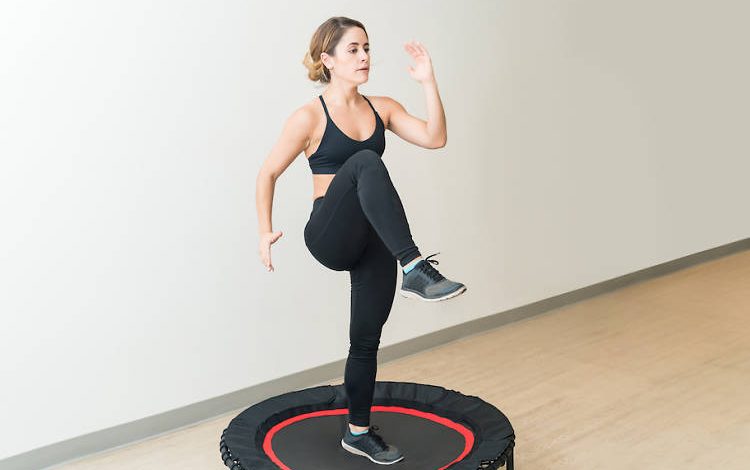
High-impact workouts have long been associated with joint discomfort, recurring injuries, and long-term wear on the knees, ankles, and hips. This is one reason why many active adults in Singapore are now rethinking how they train. A well-structured trampoline class singapore offers a smarter way to build strength, endurance, and cardiovascular fitness while significantly reducing stress on the joints. Rather than relying on pounding movements, trampoline-based training uses controlled rebound motion to deliver results without compromising joint health.
This approach is particularly relevant in a city where people balance demanding work schedules, long commutes, and limited recovery time. Joint longevity is no longer just a concern for older adults. It matters to office professionals, runners, recreational athletes, and anyone who wants to stay active for decades, not just a few years.
Understanding Joint Stress in Conventional Workouts
Most traditional fitness routines rely on ground reaction force. Every time you run, jump, or land on a hard surface, the impact travels upward through your ankles, knees, hips, and spine. Over time, this repetitive loading contributes to cartilage wear, joint inflammation, and soft tissue strain.
Common problems linked to high-impact training include:
-
Knee pain from repetitive landing forces
-
Ankle instability due to uneven impact distribution
-
Hip discomfort caused by reduced shock absorption
-
Lower back stress from compressed spinal loading
While strength training and mobility work help, they do not fully eliminate the cumulative stress created by hard surfaces. This is where trampoline-based conditioning changes the equation.
How Trampoline Training Reduces Impact Without Reducing Intensity
A trampoline absorbs a large portion of the force generated during movement. Instead of your joints taking the full load, the mat disperses impact evenly and returns energy upward. This creates a floating effect that allows you to train intensely while protecting joint structures.
Key impact-reduction mechanisms include:
-
Elastic absorption that reduces peak joint force
-
Even distribution of landing pressure across the foot
-
Controlled deceleration instead of abrupt stops
-
Reduced compressive load on the spine
The result is a workout that feels challenging but leaves the joints less fatigued and irritated afterward.
Joint Longevity and Cartilage Health
Cartilage does not have a direct blood supply. It relies on movement to receive nutrients and remove waste. Low-impact rebound motion supports this process by encouraging synovial fluid circulation within the joint capsule.
Trampoline workouts promote:
-
Gentle compression and decompression of joints
-
Improved lubrication of cartilage surfaces
-
Reduced stiffness after prolonged sitting or inactivity
-
Better long-term joint resilience
This is especially beneficial for individuals who spend most of the day seated and then attempt high-impact exercise in the evening.
Strengthening Stabiliser Muscles for Joint Protection
Joint stability depends on small supporting muscles, not just major muscle groups. Traditional gym workouts often neglect these stabilisers because machines control movement paths.
Trampoline training naturally activates:
-
Ankle stabilisers responsible for balance and alignment
-
Knee-supporting muscles that control lateral movement
-
Hip stabilisers that protect the lower back and pelvis
-
Core muscles that maintain upright posture during rebound
Because the surface is dynamic, the body must constantly adjust. These micro-adjustments strengthen protective muscle systems that keep joints aligned during daily activities.
Why Trampoline Classes Suit Singapore’s Active Lifestyle
Singapore’s fitness culture is fast-paced. Many people train before work, during lunch breaks, or after long office hours. Joint-friendly workouts become essential when recovery time is limited.
Trampoline classes work well because they:
-
Deliver cardiovascular benefits without excessive soreness
-
Reduce injury risk for those training multiple times per week
-
Support long-term consistency rather than short-term burnout
-
Adapt easily to different fitness levels within one class
This makes them ideal for people who want sustainable fitness rather than aggressive, short-lived results.
Impact-Safe Conditioning for Different Age Groups
One of the strongest advantages of trampoline-based training is its adaptability across age ranges.
Working Professionals
Extended sitting leads to tight hips and reduced joint mobility. Rebound motion restores movement without aggressive loading, making it suitable for daily training.
Recreational Athletes
Those involved in running, cycling, or sports use trampoline sessions as active recovery that maintains conditioning while reducing overuse injuries.
Older Adults
Controlled bounce exercises improve balance, coordination, and joint lubrication, helping maintain independence and confidence in movement.
Cardiovascular Conditioning Without Joint Wear
A common misconception is that low-impact training cannot provide strong cardio benefits. Trampoline workouts challenge this idea by elevating heart rate through continuous movement patterns.
Benefits include:
-
Improved aerobic capacity
-
Increased calorie expenditure
-
Enhanced circulation without joint overload
-
Better endurance with less physical strain
This allows participants to train harder and longer without accumulating joint damage.
Injury Prevention Through Safer Landing Mechanics
Many injuries occur not during effort but during poor landing mechanics. Trampoline training encourages softer, more controlled landings that retrain movement patterns.
Over time, participants develop:
-
Improved landing awareness
-
Better foot alignment
-
Reduced knee valgus movement
-
Stronger neuromuscular control
These skills transfer to other activities, improving safety beyond the trampoline itself.
Psychological Confidence in Movement
Fear of pain or injury often limits performance. When people trust that their joints are protected, they move more freely and confidently.
This psychological benefit leads to:
-
Better workout adherence
-
Increased effort during sessions
-
Reduced movement hesitation
-
Greater enjoyment of exercise
Confidence in movement plays a crucial role in long-term fitness success.
Structured Group Training and Professional Guidance
A professionally guided trampoline class ensures that movements remain safe, progressive, and effective. Proper cueing helps participants maintain alignment and control throughout the workout.
Classes conducted at TFX Fitness emphasise form, rhythm, and controlled intensity rather than reckless jumping. This structured approach supports joint health while still delivering a high-energy experience.
Long-Term Sustainability Compared to High-Impact Trends
Fitness trends come and go, but joint health determines whether someone can continue exercising in the long run. Many high-impact programmes produce fast results but lead to burnout or injury within months.
Trampoline-based conditioning offers:
-
Longevity in training routines
-
Reduced reliance on pain management
-
Lower injury-related downtime
-
Consistent performance improvements
Sustainability is what allows fitness to become a lifelong habit rather than a temporary phase.
Real-Life FAQ
Q: Is a trampoline class suitable if I already have mild knee discomfort?
A: Many people with mild knee issues find trampoline training more comfortable than running or jumping on hard floors, but it is always advisable to start gradually and follow instructor guidance.
Q: Can trampoline workouts replace my usual cardio sessions?
A: Yes, trampoline workouts can deliver effective cardiovascular conditioning while placing less stress on the joints, making them suitable as a primary cardio option.
Q: Will trampoline training help with ankle stability?
A: The dynamic surface activates ankle stabilisers continuously, which can improve balance and reduce the risk of ankle-related issues over time.
Q: How often should someone attend trampoline classes for joint health benefits?
A: Two to three sessions per week are generally sufficient to experience improved joint comfort, strength, and mobility without overloading the body.
Q: Is trampoline training only for advanced fitness levels?
A: No, intensity can be adjusted through movement range and pace, making it accessible while still challenging for experienced participants.
Q: Can trampoline workouts support recovery from other sports?
A: Many athletes use trampoline sessions as low-impact conditioning to maintain fitness while allowing joints to recover from higher-impact training.
This approach to fitness reflects a growing shift in Singapore toward smarter, joint-conscious training methods that support performance today and mobility for years to come.